
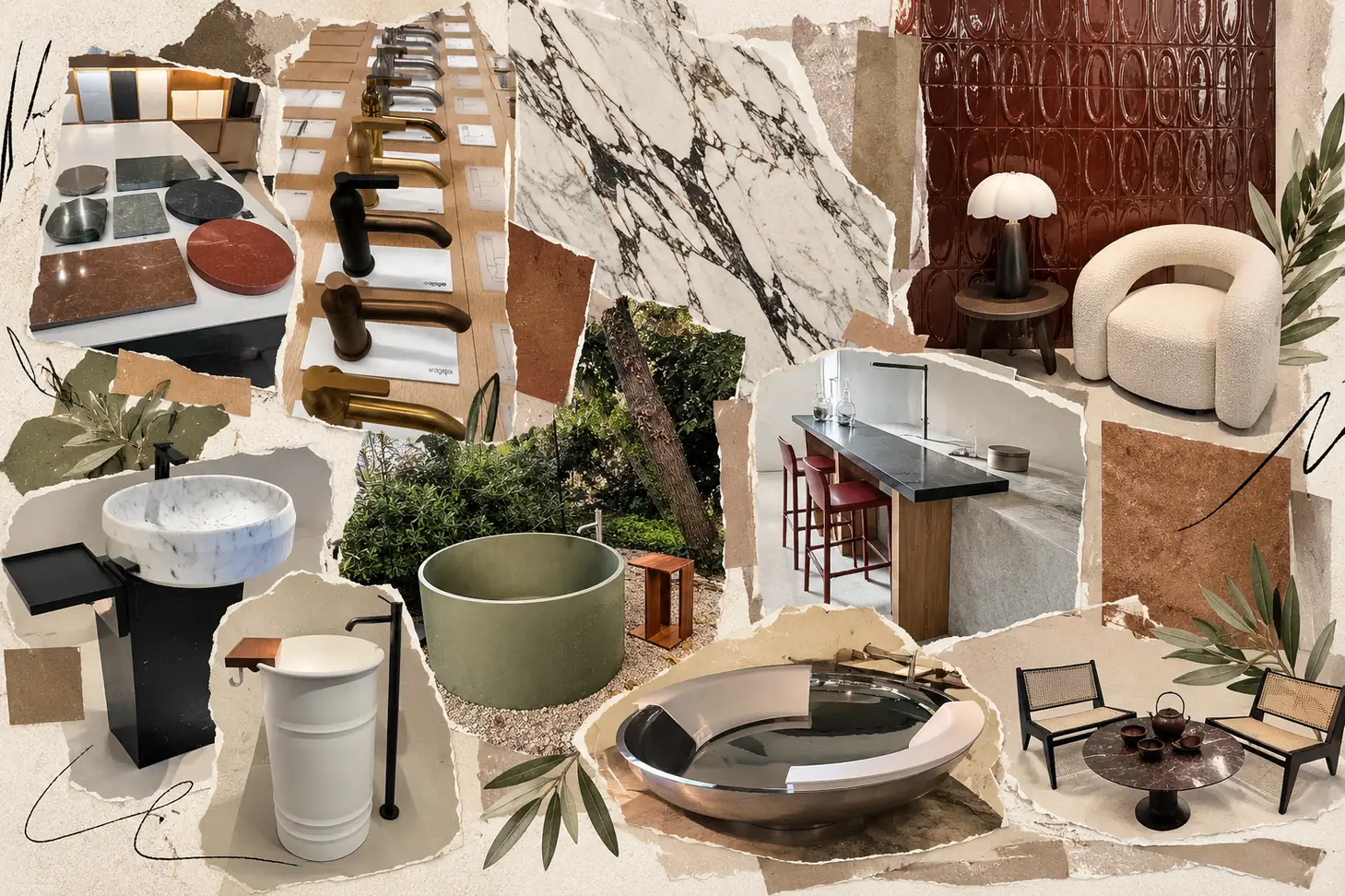
Italian Stone, Dimensional Surfaces and Warm Tones Set the Direction for the Year Ahead
Cersaie 2026 once again brought together the world of ceramics, bathroom design and interior innovation in Bologna, offering an early look at the materials, colours and technologies that will influence interiors in the coming year.
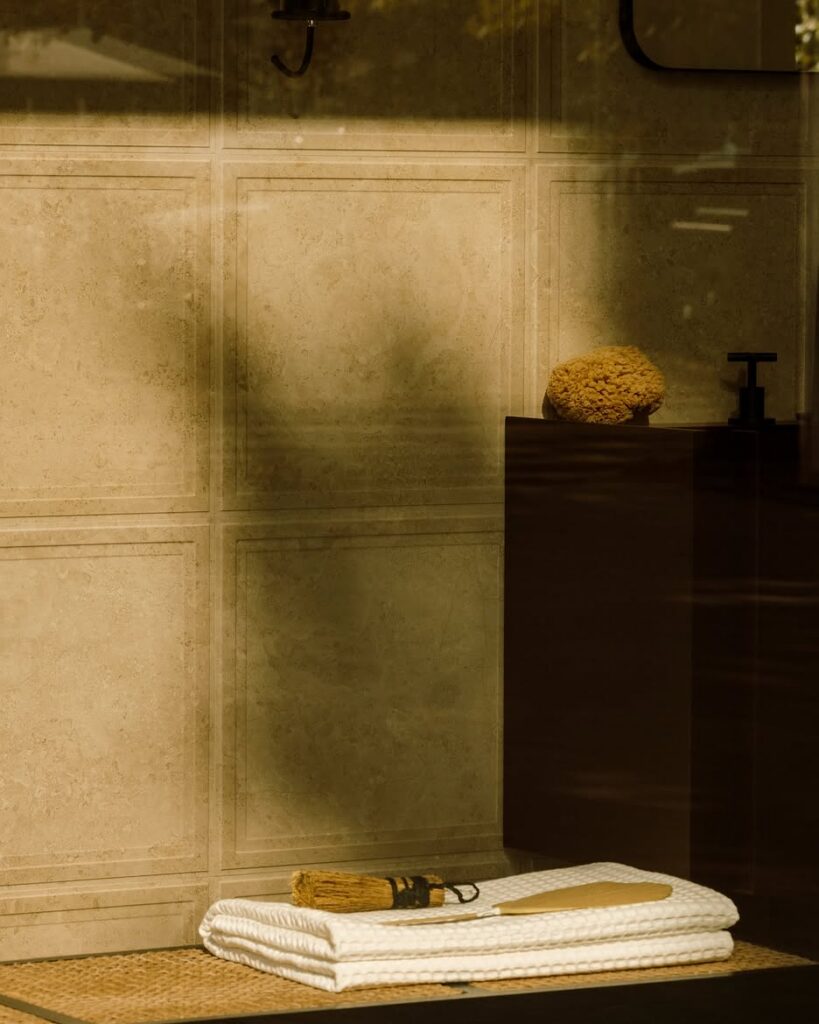
If one message stood out across this year’s exhibition, it was a renewed appreciation for natural materials, architectural depth and warmth. Stone-inspired surfaces were everywhere, but increasingly sophisticated production technologies are allowing manufacturers to reinterpret them with remarkable realism and versatility.
From the stones of Tivoli, Sicily and Venice to Spain’s distinctive Campaspero stone, regional landscapes and architectural heritage are providing inspiration for contemporary collections.
Here are the key trends from Cersaie 2026 that we expect to shape interiors in 2027.
A Journey Through Stone
Stone was undoubtedly one of the defining inspirations of Cersaie 2026.
Rather than referencing nature in a broad sense, many brands looked towards specific stones and regions, drawing inspiration from materials deeply connected to Mediterranean architecture and landscape.
Italian stones were particularly prominent, with influences stretching from Tivoli and Sicily to Venice, alongside interpretations of Campaspero stone from Spain.
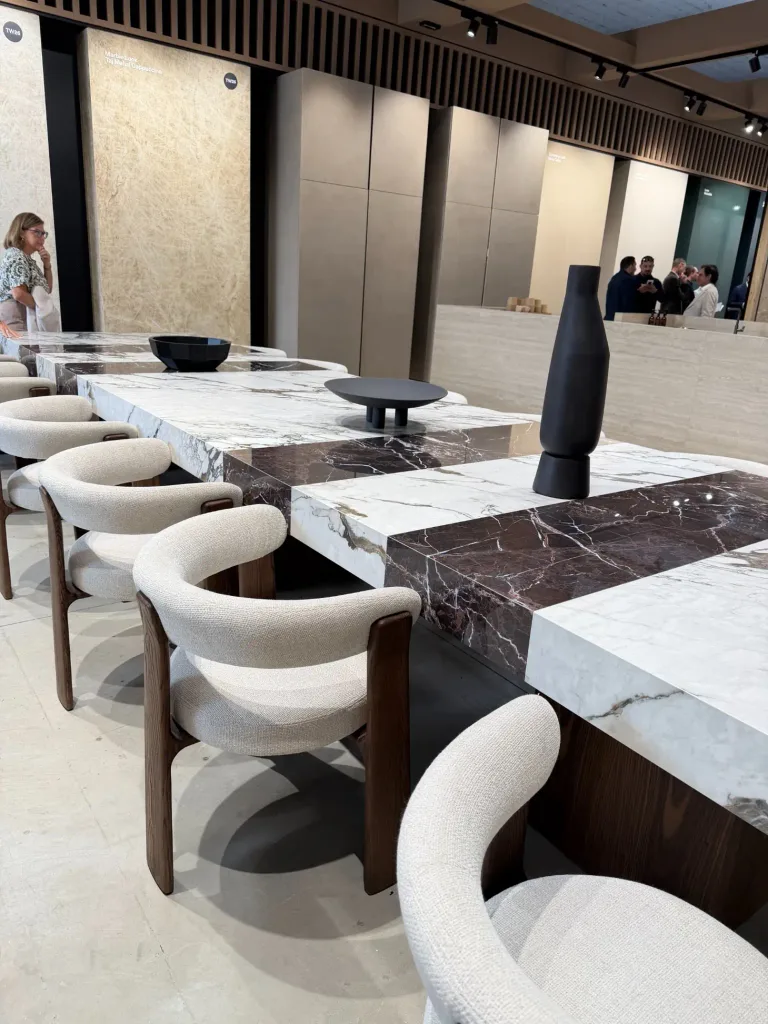
The result is a new generation of ceramic surfaces that celebrates the individual character of stone: subtle tonal variations, mineral details, natural imperfections and distinctive textures.
For 2027, the stone look becomes less about imitation and more about reinterpretation — capturing the atmosphere and identity of natural materials while offering the performance and flexibility of ceramics.
3D Technology Brings Surfaces to Life
One of the strongest developments at Cersaie 2026 was the continued advancement of 3D technology in ceramic production.
Digital technologies are creating an increasingly convincing relationship between what we see and what we feel. Veining, texture and surface relief can now work together with exceptional precision, giving stone-inspired tiles greater depth and realism.
Instead of simply reproducing the appearance of natural stone, these technologies allow manufacturers to recreate its tactility and irregularity.
The result is a surface that changes according to light, perspective and touch – bringing a much more sensory dimension to interior spaces.
In 2027, expect technology to become increasingly invisible: rather than appearing overtly technological, innovation will be used to make materials feel more natural, tactile and authentic.
Modular Design & Mixed Formats
Another important direction emerging from Cersaie is the move towards modularity.
Collections are increasingly being designed as systems rather than individual tiles, with multiple formats intended to work together within the same space.
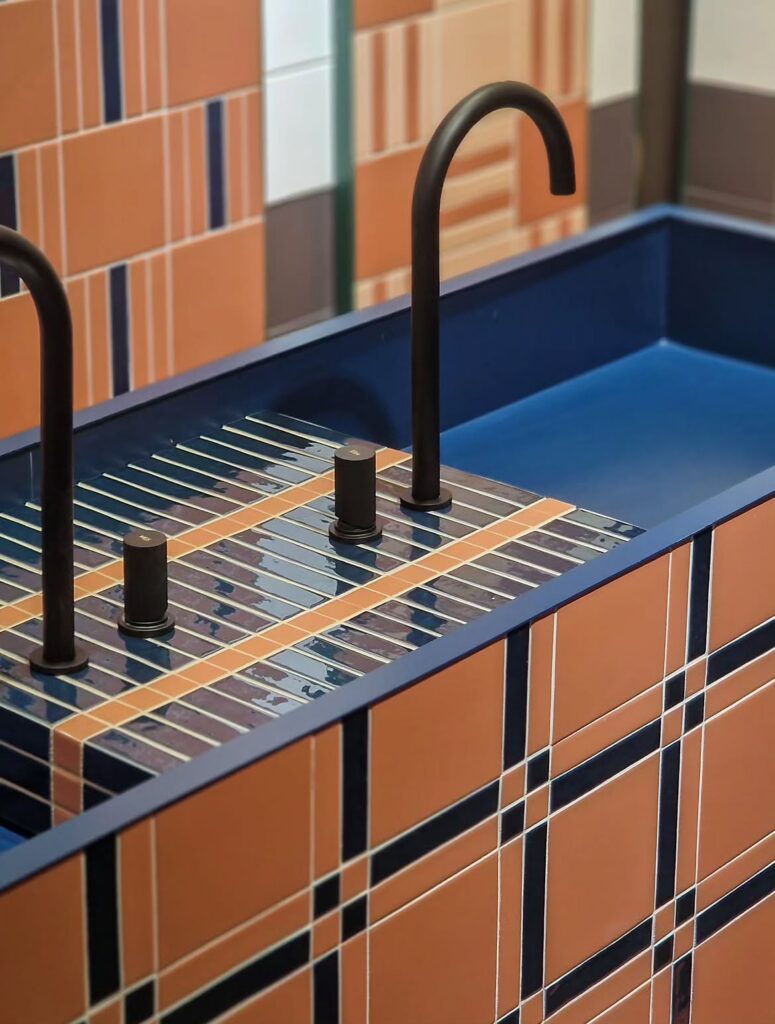
Combining different tile sizes and proportions creates rhythm and movement while allowing architects and designers greater freedom to personalise layouts. Large surfaces can sit alongside smaller formats, while repeating modules can create patterns without relying on decorative motifs.
This approach transforms the way tiles are used: the layout itself becomes part of the design.
For 2027, we expect mixed-size compositions and modular installations to become increasingly prominent across floors and walls.
Earthy Tones Get Warmer
The natural colour story continues, but the palette is becoming noticeably warmer.
Across Cersaie 2026, earthy neutrals, warm browns, clay-inspired shades and soft mineral colours created interiors that felt grounded and inviting.
One colour in particular stood out: moka.
Sitting somewhere between deep brown, coffee and warm earth, moka offers an elegant alternative to cooler greys and stark neutrals. It works particularly well alongside stone textures, natural woods and warmer metallic finishes.
The shift signals a broader movement away from cold minimalism towards interiors that still feel refined and contemporary, but considerably warmer and more atmospheric.
Burgundy Makes Its Mark
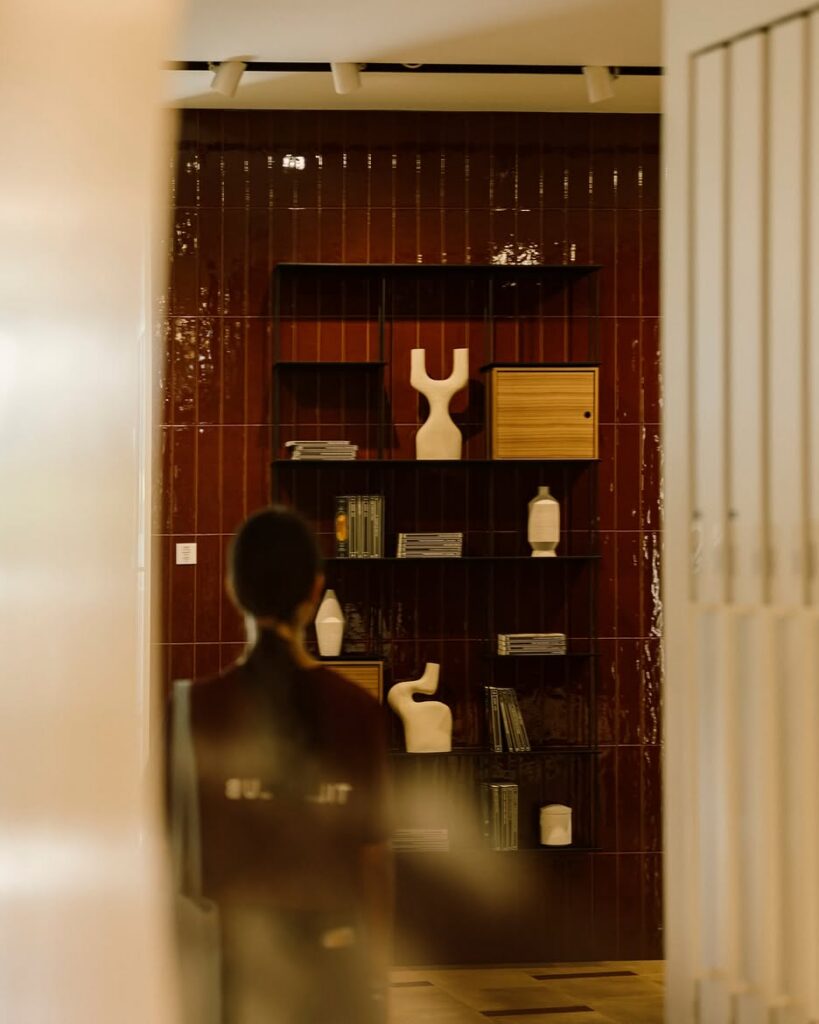
Alongside the natural palette, burgundy emerged as one of the strongest accent colours at this year’s exhibition.
Particularly noticeable was its appearance in small-format tiles, where the rich shade creates concentrated moments of colour and character.
Rather than appearing as an isolated statement from one manufacturer, variations of burgundy could be seen across multiple brands — suggesting a wider shift towards deeper, more expressive colours.
Used across feature walls, bathrooms, kitchens or smaller architectural details, burgundy pairs naturally with warm stone, moka, beige and earthy neutrals.
For 2027, expect small-format coloured ceramics to become an increasingly important way of introducing personality and richness into otherwise restrained interiors.
Small Tiles, Bigger Impact
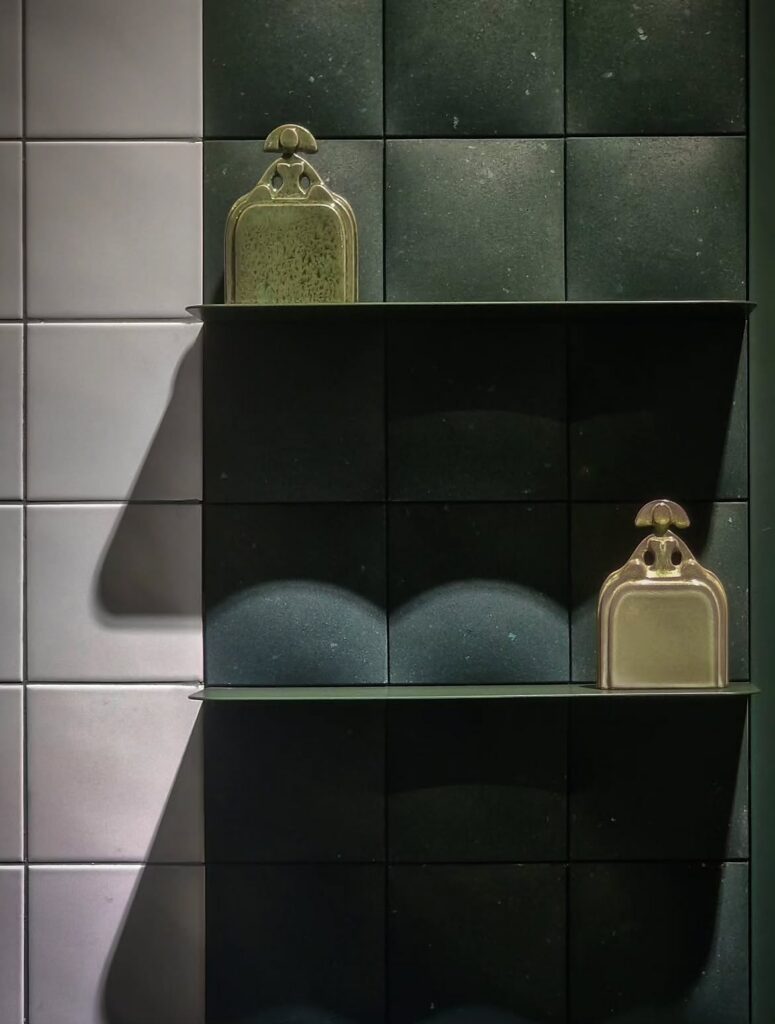
The return of smaller tile formats was another noticeable theme.
While large-format slabs remain important for creating seamless architectural surfaces, smaller tiles are being used to introduce texture, repetition, colour and visual rhythm.
Their scale also encourages experimentation. Different orientations, grout lines, modular arrangements and colour combinations can dramatically change the character of a surface.
Combined with the growing popularity of burgundy and warmer tones, small-format ceramics offer designers a way to create expressive spaces without relying on excessive ornamentation.
The contrast between monumental stone-effect surfaces and intricate smaller formats could become one of the defining visual combinations of 2027.
Looking Ahead: Natural Inspiration, Technological Precision
Cersaie 2026 showed an industry increasingly interested in the relationship between heritage and technology.
The inspiration is often centuries old — Italian stone, Mediterranean landscapes, traditional ceramic formats and earthy pigments — while the technology used to interpret those references continues to become more sophisticated.
For 2027, interiors are moving towards warmth, tactility and composition. Stone-inspired surfaces will become increasingly realistic through 3D technology; modular formats will give designers more creative freedom; and a richer palette of moka, earth tones and burgundy will bring depth and personality back into our spaces.
The result is a new kind of contemporary interior: one that feels technologically advanced, yet unmistakably connected to material, place and tradition.




Add comment